
Key Ingredients & Why Each One Matters
All-Purpose Flour: This is your structure—it provides the gluten network that traps air bubbles created by the leavening agents, giving these pancakes their characteristic tender crumb. Use standard all-purpose flour from your pantry; there’s no need for anything fancy here.
Baking Powder: This is your workhorse leavener, releasing gas throughout the cooking process to ensure sustained rise and fluffy interiors even as the skillet heat builds. It’s the reason your pancakes stay light from first batch to last.
Baking Soda: Working in tandem with the acidic molasses, baking soda creates immediate lift and helps develop those beautiful golden-brown edges that make these pancakes visually amazing. This dual-leavening system is what separates fluffy pancakes from dense, gummy ones.
Salt: A small amount intensifies the warm spice flavors and balances the sweetness of the molasses, preventing the pancakes from tasting one-dimensional or cloying.
Ground Ginger: This brings peppery warmth and bright, slightly sharp notes that anchor the spice profile—it’s what makes these pancakes distinctly gingerbread rather than simply sweet.
Ground Cinnamon: Familiar and comforting, cinnamon adds sweetness and depth that rounds out the ginger’s sharpness and creates that recognizable holiday spice blend.
Ground Cloves: Use this sparingly; cloves deliver earthy, slightly floral notes that add complexity and sophistication, lifting the flavor profile beyond basic cinnamon-sugar territory.
Whole Milk: Cold milk combined with room-temperature melted butter creates the perfect emulsion, ensuring a smooth, pourable batter that cooks evenly without sinking or spreading too thin on the griddle.
Large Eggs: Eggs bind the dry ingredients and provide structure; they also contribute richness and help create that tender crumb you’re after.
Unsulphured Molasses: This deep, mineral-rich sweetener adds caramel undertones and natural moisture that keeps pancakes tender while enhancing the spice layers. Its acidity is essential for activating the baking soda.
Unsalted Butter: Melted and cooled slightly, butter adds richness and aids browning on the griddle; using unsalted lets you control the salt level precisely.
Essential Kitchen Tools You Will Need
Large mixing bowl: For whisking together dry ingredients without splattering flour everywhere.
Separate medium bowl: For combining wet ingredients—keeping them apart prevents overmixing and overdeveloped gluten.
Griddle or nonstick skillet: Medium heat distributes evenly; a griddle’s flat surface gives you room to cook multiple pancakes at once.
Whisk: Essential for fully incorporating spices and leavening agents into the flour, and for emulsifying wet ingredients smoothly.
Measuring cups and spoons: Accuracy with baking soda and baking powder is crucial—these leaveners are potent, and small variations affect texture noticeably.
Step-by-Step Instructions

Before you start, have your griddle or nonstick skillet ready and a light hand with the butter—you’ll want to grease between batches for even browning. This recipe moves quickly once the batter hits the heat, so it helps to have all your ingredients measured and your serving plates nearby.
1. Whisk the Dry Mixture:
In a large mixing bowl, combine the flour, baking powder, baking soda, salt, ginger, cinnamon, and cloves. Whisk until the spices are evenly distributed throughout the flour—this ensures every pancake has consistent flavor and lift. You’ll notice the flour take on a warm, spiced color.
2. Combine the Wet Ingredients:
In a separate bowl, whisk together the milk, eggs, molasses, and melted butter until well combined. The molasses will initially look streaky, but keep whisking until it’s fully incorporated and the mixture turns a uniform tan-brown color. This step takes about 1 minute of steady whisking.
3. Bring Wet and Dry Together:
Pour the wet ingredients into the dry mixture and whisk until just combined. Stop as soon as you no longer see streaks of flour—a few small lumps are okay and actually preferable. Overmixing develops the gluten and creates dense, tough pancakes, so resist the urge to whisk until perfectly smooth.
4. Preheat and Grease the Pan:
Preheat your griddle or nonstick skillet over medium heat for about 1 to 2 minutes. Once hot, lightly grease it with butter. The pan is ready when a drop of water sizzles gently on contact—not violently, which signals too much heat.
5. Cook the First Batch:
Drop the batter by ¼ to ⅓ cup onto the hot skillet, leaving space between pancakes. Cook for 2 to 3 minutes, watching for bubbles to form across the top surface and the bottom to turn golden brown. The bubbles are your signal that the pancake is set enough to flip.
6. Flip and Finish:
Flip each pancake carefully and cook the other side for about 2 minutes until golden. The second side cooks faster than the first because the heat has already penetrated the batter.
7. Repeat with Remaining Batter:
Transfer the cooked pancakes to a plate and lightly butter the skillet again before the next batch. Continue until all batter is used. Serve the warm pancakes immediately with butter and maple syrup.
Chef Pro Tips for Foolproof Results
Whisk wet and dry separately, then fold gently. This is the difference between fluffy pancakes and dense, rubbery ones. After whisking milk, eggs, molasses, and melted butter until smooth, pour into your dry ingredients and mix just until lumps disappear—about 10–15 seconds of whisking. Overmixing develops gluten, which toughens the crumb and deflates your lift.
Use a griddle or nonstick skillet for even heat distribution. Medium heat is non-negotiable here. If your pan is too hot, the bottoms burn before the inside cooks through; too cool, and you’ll lose that crispy golden exterior. Lightly butter between batches—this prevents sticking and adds richness without overpowering the spice profile.
Watch for bubbles as your flip signal. When bubbles break through the top surface and the bottom is visibly golden brown (usually 2 to 3 minutes), flip once. The second side cooks faster—about 2 minutes—because the heat has already begun setting the crumb. Flipping too early traps steam inside; flipping too late results in burnt bottoms.
Measure batter consistently with a ¼ to ⅓ cup portion. This keeps pancakes uniform in thickness and ensures even cooking across batches. Smaller portions cook too quickly and dry out; larger ones stay raw inside.
Keep finished pancakes warm in a 200°F oven. Stack them on a baking sheet while you finish remaining batches. This holds them without drying them out, so everyone eats together at the same temperature.
Common Mistakes to Avoid
Overmixing the batter. A few lumps are intentional—they disappear during cooking and signal proper pancake texture. Smooth, lump-free batter means you’ve overworked the gluten, resulting in tough, dense pancakes that won’t rise properly despite your dual-leavening system.
Skipping the separate whisking step. Combining wet and dry ingredients in a single bowl invites overmixing. The two-bowl method gives you control and guarantees those fluffy interiors.
Cooking over too-high heat. Molasses-based batters brown quickly. High heat scorches the outside before the inside sets, leaving raw, gummy centers. Medium heat is deliberate—it’s your insurance policy.
Flipping too early or too often. Resist the urge to peek or flip before bubbles fully break through. Each flip releases steam and deflates your rise.
Make-Ahead Timeline & Storage Guide
How Far Ahead Can You Prep This?
The night before, whisk together all your dry ingredients—flour, baking powder, baking soda, salt, ginger, cinnamon, and cloves—and store in an airtight container at room temperature. When morning arrives, you’re just 10 minutes of wet-ingredient whisking away from pancakes on the griddle.
If you’re cooking for a crowd, you can also prepare the entire batter up to 2 hours ahead, though the pancakes will be slightly less fluffy. Cover the bowl with a kitchen towel and let it rest at room temperature. Whisk gently once more before cooking to redistribute any settling.
Fridge Storage, Freezing & Reheating
Cooled pancakes keep in an airtight container in the refrigerator for up to 3 days. For longer storage, freeze them in a single layer on a baking sheet (about 1 hour), then transfer to a freezer-safe airtight container for up to 2 months.
To reheat, place pancakes directly in a 350°F oven for 5–7 minutes until warmed through, or use your toaster set to medium. This gentle method restores the tender crumb without drying them out. Skip the microwave—it hardens the texture. Serve immediately with warm maple syrup and butter for best results.
Serving Ideas & Holiday Pairings
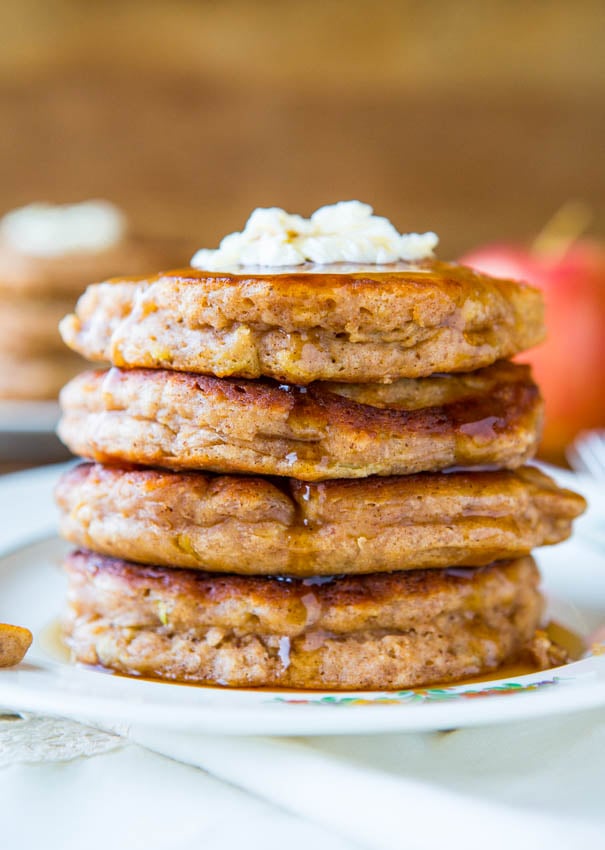
I’ve learned that gingerbread pancakes don’t need much embellishment to shine—but a few thoughtful touches transform them into something memorable. The warmth of the spices pairs beautifully with maple syrup, of course, but I love serving these alongside fresh whipped cream and a sprinkle of candied ginger for a touch of elegance. The creamy richness of butter melting into those golden-brown edges is honestly all the luxury you need.
For a full holiday spread, I plate these on warmed dishes (a small detail that keeps them from cooling too quickly) and arrange with a few simple sides. Here’s what I reach for:
Warm maple syrup poured into a small pitcher—it stays at the perfect temperature longer than you’d expect
Crispy bacon or sausage to balance the sweetness with savory depth
Sliced fresh pears or pomegranate seeds for color and a bright counterpoint to the molasses
A generous dollop of whipped cream (or Greek yogurt, if you prefer) for creaminess without heaviness
These pancakes also freeze beautifully, making them an ideal make-ahead gift for neighbors or friends during the holiday rush. Stack cooled pancakes between parchment squares, wrap tightly, and freeze for up to two weeks. Include simple reheating instructions on the gift tag—most people appreciate the thoughtfulness of a home-cooked breakfast waiting in their freezer far more than another box of cookies.
Frequently Asked Questions
Can I make the batter ahead of time?
You can prepare the dry ingredient mixture up to 24 hours ahead—store it in an airtight container at room temperature. Whisk the wet ingredients fresh in the morning for maximum lift, then fold together gently just before cooking. Letting combined batter sit more than a few minutes dulls the leavening power of the baking soda and baking powder.
Can I double this recipe for a crowd?
Yes, the recipe doubles easily. Keep the same proportions and whisk both dry and wet mixtures in a larger bowl. You’ll need to work in more batches on your griddle, but the cooking time per pancake stays the same—just butter the pan between each batch.
How do I know when to flip the pancakes?
Watch for bubbles forming across the top surface and the bottom edges turning golden brown, which takes about 2 to 3 minutes. This visual cue is more reliable than timing alone, since griddle temperatures vary.
Can I reheat frozen pancakes?
Yes, thaw them in the refrigerator overnight, then warm gently in a 350°F oven for about 5 minutes, or place them in a toaster set to medium. Avoid the microwave, which can make them rubbery.
What if my pancakes turn out dense?
Overmixing the batter is the most common culprit—lumps are intentional and necessary for fluffy pancakes. Also check that your baking powder and baking soda haven’t expired, as they lose potency over time and won’t provide the lift these pancakes need.
Gingerbread Pancakes with Warm Maple Cream
Ingredients
Method
- In a large mixing bowl, whisk together the flour, baking powder, baking soda, salt, ginger, cinnamon, and cloves.
- In a separate bowl, whisk together the milk, eggs, molasses, and melted butter until well combined. Pour the wet ingredients into the dry ingredients, and whisk together until just combined. (A few lumps are okay.)
- Preheat a griddle or nonstick skillet over medium heat. Lightly grease with butter.
- Working in batches, drop the batter by about ¼ to ⅓ cup for each pancake onto the skillet, and cook until bubbles form on top and the bottom is golden brown, 2 to 3 minutes. Flip the pancakes and cook until golden on the other side, about 2 minutes. Continue, buttering the pan between batches. Serve the warm pancakes with butter and maple syrup, if desired.
Nutrition
Tried this recipe?
Let us know how it was!Gingerbread Pancakes with Warm Maple Cream
Ingredients
Method
- In a large mixing bowl, whisk together the flour, baking powder, baking soda, salt, ginger, cinnamon, and cloves.
- In a separate bowl, whisk together the milk, eggs, molasses, and melted butter until well combined. Pour the wet ingredients into the dry ingredients, and whisk together until just combined. (A few lumps are okay.)
- Preheat a griddle or nonstick skillet over medium heat. Lightly grease with butter.
- Working in batches, drop the batter by about ¼ to ⅓ cup for each pancake onto the skillet, and cook until bubbles form on top and the bottom is golden brown, 2 to 3 minutes. Flip the pancakes and cook until golden on the other side, about 2 minutes. Continue, buttering the pan between batches. Serve the warm pancakes with butter and maple syrup, if desired.